South Asia · India
The
Sarod
A fretless lute with a polished steel fingerboard, so every note can slide, and a wash of sympathetic strings glistening behind it.
India
Sarod
Quick answer
The sarod is the fretless North Indian lute with a polished metal fingerboard, plucked with a plectrum carved from coconut shell. The absence of frets and the metal plate under the strings let the player slide between pitches with a glassy, sustained tone that is deeper and weightier than a sitar. Like the sitar it has sympathetic strings, so notes leave a resonance behind them.
01 · Origins
The deeper cousin of the sitar
The sarod is, with the sitar, one of the two great plucked instruments of North Indian classical music — but where the sitar is bright and buzzing, the sarod is rounder, weightier, more vocal. It has no frets: the strings are pressed against a smooth steel plate, so the player's fingers can glide continuously from one pitch to the next. Beneath the main strings runs a set of sympathetic strings, never plucked, that ring in resonance and surround every note with a faint glistening halo.
02 · The voice
Glide, not step
Because there are no frets, the sarod thinks in glides rather than steps — the meend, the expressive slide between notes, is the heart of its expression. A raga performance typically begins with the alap, a slow, unmetered unfolding of the mode with no rhythm at all, where the instrument simply explores, breathes, and deepens. This is the sarod at its most meditative: a single melodic line gliding through a mode, with the sympathetic strings shimmering underneath and no hurry anywhere in it.
Watch the tradition
Watch the sarod unfold a raga
The sarod is clearest in the alap, where you can hear it glide through a mode with no rhythm forcing it forward.
Wigmore Hall
Celebrating the Sarod at Wigmore Hall, with Amjad Ali Khan, Amaan Ali Bangash and Ayaan Ali Bangash
A master performance that shows the sarod's fretless glides and its slow, meditative alap.
Raaggiri
Sarod Maestro: Ustad Amjad Ali Khan's Spellbinding Live Stage Performance
A second performance, useful for hearing the instrument from another angle.
A listening guide
What to listen for
Meend — the continuous slide between notes on the fretless steel plate
The faint shimmer of the sympathetic strings ringing behind the melody
The slow, rhythm-less alap that opens a raga performance
The rounder, more vocal tone compared to the brighter sitar
How the mode deepens gradually rather than arriving all at once
From the listener to the player
If the sarod pulled you in
A real sarod is a specialist instrument. Begin by listening closely, then find the real thing when the sound has truly stayed with you.
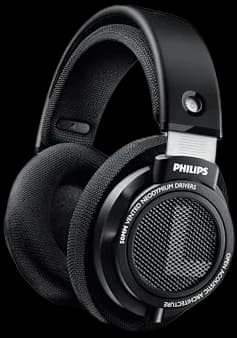
To hear it
$95
Philips SHP9500
The sarod's glistening sympathetic strings and its slow glides live in detail headphones preserve and laptop speakers flatten.
Buy on AmazonA real sarod
A sarod is a serious, specialist instrument. Reverb's sellers beat the unpredictable generic marketplace listings.
Affiliate links
These are honest recommendations — the ones we’d point a friend toward. As an Amazon Associate, SlowHum earns from qualifying purchases; we may also earn from other links. It costs you nothing extra. Amazon prices are from our last check and change often. Full disclosure.
Common questions
Questions people ask about the sarod
What is the difference between a sarod and a sitar?
The sitar has curved movable frets and a bright, shimmering upper register. The sarod is fretless with a metal fingerboard, sits lower, and has a rounder, more sustained voice with a heavier attack.
Why is the fingerboard made of metal?
Pressing the string against smooth metal with the fingernail produces a continuous, glassy slide. On a wooden board the same motion would be duller and less even.
Is the sarod good for long concentration sessions?
It is well suited to it. A full performance builds slowly through a long unmetered alap into a rhythmic section, and the low, sustained register sits under thought without crowding it.
A SlowHum sarod piece is in the making.
We're composing a thirty-minute piece for this tradition. Subscribe to be first — and watch the performances above in the meantime.
Subscribe on YouTubeFree · No email required
Continue the atlas
Other traditions
Duduk
Armenia
Shakuhachi
Japan
Quena
Peru & Bolivia
Celtic Harp
Ireland & Scotland
Kora
Mali & Senegal
Santur
Iran
Oud
Turkey & Syria
Sitar
India
Guzheng
China
Morin Khuur
Mongolia
Kantele
Finland
Slack Key
Hawaii · soon
Mbira
Zimbabwe
Bansuri
India
Ney
Turkey
Tagelharpa
Norway · soon
Begena
Ethiopia · soon
Gayageum
Korea · soon
Ngoni
Mali · soon
Guqin
China
Erhu
China
Koto
Japan
Pipa
China
Setar
Iran
Sarangi
India
Xiao
China
Kaval
Bulgaria
Dizi
China
Nyckelharpa
Sweden
Hurdy-gurdy
France
Saz
Turkey