Home recording
Capture the sound.
A good home recording is mostly a quiet room, a sensible microphone and an interface that stays out of the way. These guides cover each link in that chain.
Buying guides
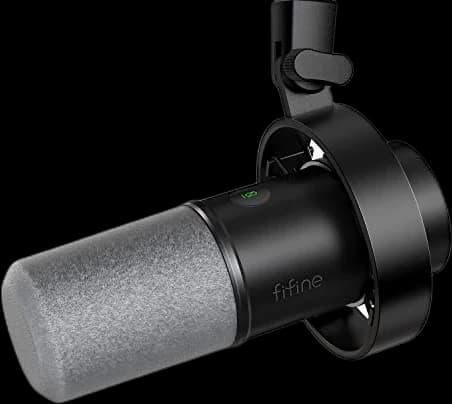
The Best Podcast Microphones
Dynamic microphones beat condensers in almost any untreated room, so every pick here starts from that and spreads out by price and connection type.
5 picks →
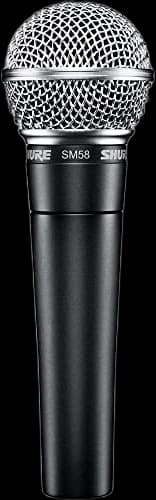
The Best Microphones for Vocals
The best microphone for vocals depends more on your room than your budget — here are seven XLR picks that account for both.
7 picks →
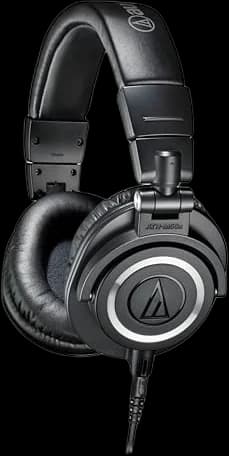
The Best Studio Headphones for Tracking and Mixing
Closed-back headphones keep sound out of the microphone; open-back headphones let you hear a mix the way you'll eventually hear it in a room.
7 picks →
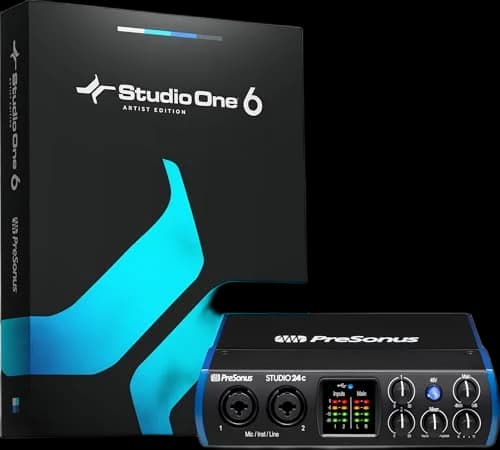
The Best Audio Interfaces for Home Recording
A home studio needs one solid audio interface more than a second microphone. Here is how to pick one that will not bottleneck either.
6 picks →
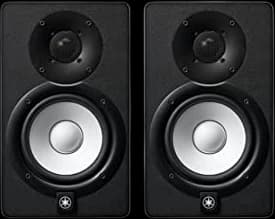
The Best Studio Monitors for a Home Studio
The right studio monitor is the one sized to your room, not the one with the biggest number on the box.
7 picks →
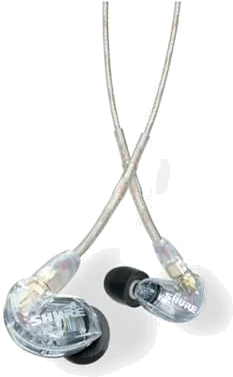
The Best In-Ear Monitors for Musicians
A good in-ear monitor is judged first by fit and isolation, and only after that by driver count.
6 picks →
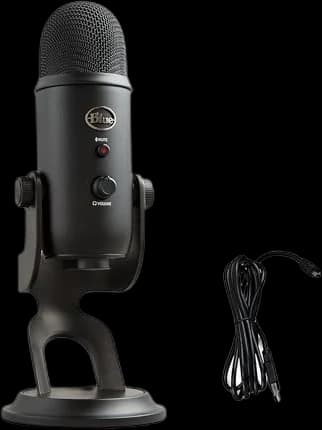
The Best USB Microphones
USB microphones plug in and just work; these six condensers span a compact budget pick to studio-grade sound for singing and music.
6 picks →
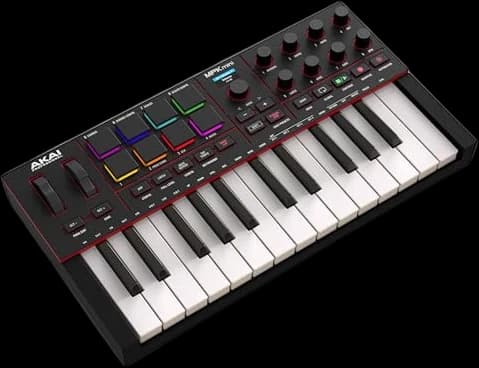
The Best MIDI Keyboards
A MIDI keyboard is a dumb terminal for your software instruments — the right one just needs to get out of the way.
6 picks →
More from SlowHum
Play
Guitars, keys, drums, strings and breath — researched buying guides for the instrument you'll actually keep playing.
Listen
Turntables, speakers and the small things that make records sound the way they should.
Quiet
Earplugs, sound machines, sleep headphones and soundproofing — for rest, focus and slow hours.