Guitar chord chart and chord finder, with ukulele and piano
A chord is a root note plus a fixed set of intervals: a major chord is the root, a major third and a perfect fifth (C major is C–E–G), and a minor chord lowers the third (C minor is C–E♭–G). Pick an instrument, a root and a chord type below to see the shape, the fingering and the notes, and to hear it.
SlowHum Editorial · Published October 26, 2026 · 12 roots × 15 chord types, every shape checked by code
C
C major
- root
- C
- major 3rd
- E
- perfect 5th
- G
Formula: 1 – 3 – 5 · Major 3rd and perfect 5th.
Frets x32010 · Fingers x32010
Frets x35553 · Fingers x13331
Frets 8-10-10-9-8-8 · Fingers 134211
Standard tuning E A D G B E. Numbers on the dots are fingers: 1 index, 2 middle, 3 ring, 4 little. ○ open string, × don’t play.
Runs in your browser; nothing is uploaded. Sound plays only when you press a play button.
Chord formulas
Every chord on this page is built from one of these formulas. Numbers are scale degrees above the root; a flat lowers that degree a half step.
| Chord type | Symbol | Formula | Semitones | In C |
|---|---|---|---|---|
| Major | C | 1 3 5 | 0-4-7 | C E G |
| Minor | Cm | 1 ♭3 5 | 0-3-7 | C E♭ G |
| Dominant 7th | C7 | 1 3 5 ♭7 | 0-4-7-10 | C E G B♭ |
| Major 7th | Cmaj7 | 1 3 5 7 | 0-4-7-11 | C E G B |
| Minor 7th | Cm7 | 1 ♭3 5 ♭7 | 0-3-7-10 | C E♭ G B♭ |
| Suspended 2nd | Csus2 | 1 2 5 | 0-2-7 | C D G |
| Suspended 4th | Csus4 | 1 4 5 | 0-5-7 | C F G |
| Dominant 7th sus4 | C7sus4 | 1 4 5 ♭7 | 0-5-7-10 | C F G B♭ |
| Diminished | Cdim | 1 ♭3 ♭5 | 0-3-6 | C E♭ G♭ |
| Diminished 7th | Cdim7 | 1 ♭3 ♭5 𝄫7 | 0-3-6-9 | C E♭ G♭ B𝄫 |
| Half-diminished (m7♭5) | Cm7♭5 | 1 ♭3 ♭5 ♭7 | 0-3-6-10 | C E♭ G♭ B♭ |
| Augmented | Caug | 1 3 ♯5 | 0-4-8 | C E G♯ |
| Added 9th | Cadd9 | 1 3 5 9 | 0-4-7-14 | C E G D |
| Major 6th | C6 | 1 3 5 6 | 0-4-7-9 | C E G A |
| Minor 6th | Cm6 | 1 ♭3 5 6 | 0-3-7-9 | C E♭ G A |
Guitar chord chart: open chords
Standard tuning, low E to high E. Read the frets left to right from the thickest string: x means don’t play it, 0 means play it open. The first eight are the usual beginner set. F, B♭ and B major have no common open shape, so the finder shows their barre shapes.
| Chord | Frets (E A D G B E) | Fingers | Notes |
|---|---|---|---|
| C | x32010 | x32010 | C E G |
| A | x02220 | x01230 | A C♯ E |
| G | 320003 | 210003 | G B D |
| E | 022100 | 023100 | E G♯ B |
| D | xx0232 | xx0132 | D F♯ A |
| Am | x02210 | x02310 | A C E |
| Em | 022000 | 023000 | E G B |
| Dm | xx0231 | xx0231 | D F A |
| Cmaj7 | x32000 | x32000 | C E G B |
| Caug | x32110 | x43120 | C E G♯ |
| Cadd9 | x32030 | x21030 | C E G D |
| D7 | xx0212 | xx0213 | D F♯ A C |
| Dmaj7 | xx0222 | xx0123 | D F♯ A C♯ |
| Dm7 | xx0211 | xx0211 | D F A C |
| Dsus2 | xx0230 | xx0130 | D E A |
| Dsus4 | xx0233 | xx0134 | D G A |
| D7sus4 | xx0213 | xx0214 | D G A C |
| Ddim7 | xx0101 | xx0102 | D F A♭ C♭ |
| Dm7♭5 | xx0111 | xx0111 | D F A♭ C |
| D6 | xx0202 | xx0203 | D F♯ A B |
| Dm6 | xx0201 | xx0201 | D F A B |
| E7 | 020100 | 020100 | E G♯ B D |
| Emaj7 | 021100 | 031200 | E G♯ B D♯ |
| Em7 | 022030 | 012030 | E G B D |
| Esus4 | 022200 | 023400 | E A B |
| E7sus4 | 020200 | 020300 | E A B D |
| Eaug | 032110 | 043120 | E G♯ B♯ |
| Eadd9 | 024100 | 024100 | E G♯ B F♯ |
| E6 | 022120 | 023140 | E G♯ B C♯ |
| Em6 | 022020 | 012030 | E G B C♯ |
| Fmaj7 | xx3210 | xx3210 | F A C E |
| G7 | 320001 | 320001 | G B D F |
| Gmaj7 | 320002 | 320001 | G B D F♯ |
| G6 | 320000 | 210000 | G B D E |
| A7 | x02020 | x02030 | A C♯ E G |
| Amaj7 | x02120 | x02130 | A C♯ E G♯ |
| Am7 | x02010 | x02010 | A C E G |
| Asus2 | x02200 | x01200 | A B E |
| Asus4 | x02230 | x01230 | A D E |
| A7sus4 | x02030 | x02030 | A D E G |
| Am7♭5 | x0101x | x0102x | A C E♭ G |
| Aadd9 | x02420 | x01420 | A C♯ E B |
| A6 | x02222 | x01111 | A C♯ E F♯ |
| Am6 | x02212 | x02314 | A C E F♯ |
| B7 | x21202 | x21304 | B D♯ F♯ A |
| Bm7 | x20202 | x10203 | B D F♯ A |
Ukulele chord chart
Standard G C E A tuning with a high G, frets listed G-C-E-A (the string nearest your chin first). These are the standard chart shapes for the five everyday chord types in all twelve keys.
| Root | Major | Minor | Dominant 7th | Minor 7th | Major 7th |
|---|---|---|---|---|---|
| C | C: 0003 | Cm: 0333 | C7: 0001 | Cm7: 3333 | Cmaj7: 0002 |
| C♯/D♭ | C♯: 1114 | C♯m: 1104 | C♯7: 1112 | C♯m7: 1102 | C♯maj7: 1113 |
| D | D: 2220 | Dm: 2210 | D7: 2223 | Dm7: 2213 | Dmaj7: 2224 |
| E♭/D♯ | E♭: 0331 | E♭m: 3321 | E♭7: 3334 | E♭m7: 3324 | E♭maj7: 3335 |
| E | E: 4442 | Em: 0432 | E7: 1202 | Em7: 0202 | Emaj7: 1302 |
| F | F: 2010 | Fm: 1013 | F7: 2313 | Fm7: 1313 | Fmaj7: 2413 |
| F♯/G♭ | F♯: 3121 | F♯m: 2120 | F♯7: 3424 | F♯m7: 2424 | F♯maj7: 3524 |
| G | G: 0232 | Gm: 0231 | G7: 0212 | Gm7: 0211 | Gmaj7: 0222 |
| A♭/G♯ | A♭: 5343 | A♭m: 4342 | A♭7: 1323 | A♭m7: 1322 | A♭maj7: 1333 |
| A | A: 2100 | Am: 2000 | A7: 0100 | Am7: 0000 | Amaj7: 1100 |
| B♭/A♯ | B♭: 3211 | B♭m: 3111 | B♭7: 1211 | B♭m7: 1111 | B♭maj7: 3210 |
| B | B: 4322 | Bm: 4222 | B7: 2322 | Bm7: 2222 | Bmaj7: 4321 |
Piano chord chart
Notes from the root up, in root position. On the keyboard, a major triad spans four half steps then three (C to E to G); a minor triad spans three then four.
| Root | Major | Minor | Dominant 7th | Major 7th | Minor 7th |
|---|---|---|---|---|---|
| C | C E G | C E♭ G | C E G B♭ | C E G B | C E♭ G B♭ |
| C♯/D♭ | C♯ E♯ G♯ | C♯ E G♯ | C♯ E♯ G♯ B | C♯ E♯ G♯ B♯ | C♯ E G♯ B |
| D | D F♯ A | D F A | D F♯ A C | D F♯ A C♯ | D F A C |
| E♭/D♯ | E♭ G B♭ | E♭ G♭ B♭ | E♭ G B♭ D♭ | E♭ G B♭ D | E♭ G♭ B♭ D♭ |
| E | E G♯ B | E G B | E G♯ B D | E G♯ B D♯ | E G B D |
| F | F A C | F A♭ C | F A C E♭ | F A C E | F A♭ C E♭ |
| F♯/G♭ | F♯ A♯ C♯ | F♯ A C♯ | F♯ A♯ C♯ E | F♯ A♯ C♯ E♯ | F♯ A C♯ E |
| G | G B D | G B♭ D | G B D F | G B D F♯ | G B♭ D F |
| A♭/G♯ | A♭ C E♭ | A♭ C♭ E♭ | A♭ C E♭ G♭ | A♭ C E♭ G | A♭ C♭ E♭ G♭ |
| A | A C♯ E | A C E | A C♯ E G | A C♯ E G♯ | A C E G |
| B♭/A♯ | B♭ D F | B♭ D♭ F | B♭ D F A♭ | B♭ D F A | B♭ D♭ F A♭ |
| B | B D♯ F♯ | B D F♯ | B D♯ F♯ A | B D♯ F♯ A♯ | B D F♯ A |
Every chord, spelled
All 180 chords the finder knows, with the first guitar and ukulele shape for each.
C chords
| Chord | Notes | Guitar | Ukulele |
|---|---|---|---|
| C | C E G | x32010 | 0003 |
| Cm | C E♭ G | x35543 | 0333 |
| C7 | C E G B♭ | x35353 | 0001 |
| Cmaj7 | C E G B | x32000 | 0002 |
| Cm7 | C E♭ G B♭ | x35343 | 3333 |
| Csus2 | C D G | x35533 | 0233 |
| Csus4 | C F G | x35563 | 0013 |
| C7sus4 | C F G B♭ | x35363 | 0011 |
| Cdim | C E♭ G♭ | x3454x | 5323 |
| Cdim7 | C E♭ G♭ B𝄫 | x34242 | 2323 |
| Cm7♭5 | C E♭ G♭ B♭ | x3434x | 3323 |
| Caug | C E G♯ | x32110 | 1003 |
| Cadd9 | C E G D | x32030 | 0203 |
| C6 | C E G A | x35555 | 0000 |
| Cm6 | C E♭ G A | x35545 | 2333 |
C♯/D♭ chords
| Chord | Notes | Guitar | Ukulele |
|---|---|---|---|
| C♯ | C♯ E♯ G♯ | x46664 | 1114 |
| C♯m | C♯ E G♯ | x46654 | 1104 |
| C♯7 | C♯ E♯ G♯ B | x46464 | 1112 |
| C♯maj7 | C♯ E♯ G♯ B♯ | x46564 | 1113 |
| C♯m7 | C♯ E G♯ B | x46454 | 1102 |
| C♯sus2 | C♯ D♯ G♯ | x46644 | 1344 |
| C♯sus4 | C♯ F♯ G♯ | x46674 | 1124 |
| C♯7sus4 | C♯ F♯ G♯ B | x46474 | 1122 |
| C♯dim | C♯ E G | x4565x | 0404 |
| C♯dim7 | C♯ E G B♭ | x45353 | 0101 |
| C♯m7♭5 | C♯ E G B | x4545x | 0102 |
| C♯aug | C♯ E♯ G𝄪 | x4322x | 2110 |
| C♯add9 | C♯ E♯ G♯ D♯ | x4314x | 1314 |
| C♯6 | C♯ E♯ G♯ A♯ | x46666 | 1111 |
| C♯m6 | C♯ E G♯ A♯ | x46656 | 1101 |
D chords
| Chord | Notes | Guitar | Ukulele |
|---|---|---|---|
| D | D F♯ A | xx0232 | 2220 |
| Dm | D F A | xx0231 | 2210 |
| D7 | D F♯ A C | xx0212 | 2223 |
| Dmaj7 | D F♯ A C♯ | xx0222 | 2224 |
| Dm7 | D F A C | xx0211 | 2213 |
| Dsus2 | D E A | xx0230 | 2200 |
| Dsus4 | D G A | xx0233 | 0230 |
| D7sus4 | D G A C | xx0213 | 2233 |
| Ddim | D F A♭ | x5676x | 7545 |
| Ddim7 | D F A♭ C♭ | xx0101 | 1212 |
| Dm7♭5 | D F A♭ C | xx0111 | 1213 |
| Daug | D F♯ A♯ | x5433x | 3221 |
| Dadd9 | D F♯ A E | x5425x | 2425 |
| D6 | D F♯ A B | xx0202 | 2222 |
| Dm6 | D F A B | xx0201 | 2212 |
E♭/D♯ chords
| Chord | Notes | Guitar | Ukulele |
|---|---|---|---|
| E♭ | E♭ G B♭ | x68886 | 0331 |
| E♭m | E♭ G♭ B♭ | x68876 | 3321 |
| E♭7 | E♭ G B♭ D♭ | x68686 | 3334 |
| E♭maj7 | E♭ G B♭ D | x68786 | 3335 |
| E♭m7 | E♭ G♭ B♭ D♭ | x68676 | 3324 |
| E♭sus2 | E♭ F B♭ | x68866 | 3311 |
| E♭sus4 | E♭ A♭ B♭ | x68896 | 1341 |
| E♭7sus4 | E♭ A♭ B♭ D♭ | x68696 | 3344 |
| E♭dim | E♭ G♭ B𝄫 | x6787x | 2320 |
| E♭dim7 | E♭ G♭ B𝄫 D𝄫 | x67575 | 2323 |
| E♭m7♭5 | E♭ G♭ B𝄫 D♭ | x6767x | 2324 |
| E♭aug | E♭ G B | x6544x | 0332 |
| E♭add9 | E♭ G B♭ F | x6536x | 0311 |
| E♭6 | E♭ G B♭ C | x68888 | 3333 |
| E♭m6 | E♭ G♭ B♭ C | x68878 | 3323 |
E chords
| Chord | Notes | Guitar | Ukulele |
|---|---|---|---|
| E | E G♯ B | 022100 | 4442 |
| Em | E G B | 022000 | 0432 |
| E7 | E G♯ B D | 020100 | 1202 |
| Emaj7 | E G♯ B D♯ | 021100 | 1302 |
| Em7 | E G B D | 022030 | 0202 |
| Esus2 | E F♯ B | x79977 | 4422 |
| Esus4 | E A B | 022200 | 4400 |
| E7sus4 | E A B D | 020200 | 2202 |
| Edim | E G B♭ | x7898x | 0401 |
| Edim7 | E G B♭ D♭ | x78686 | 0101 |
| Em7♭5 | E G B♭ D | x7878x | 0201 |
| Eaug | E G♯ B♯ | 032110 | 1003 |
| Eadd9 | E G♯ B F♯ | 024100 | 1422 |
| E6 | E G♯ B C♯ | 022120 | 1102 |
| Em6 | E G B C♯ | 022020 | 0102 |
F chords
| Chord | Notes | Guitar | Ukulele |
|---|---|---|---|
| F | F A C | 133211 | 2010 |
| Fm | F A♭ C | 133111 | 1013 |
| F7 | F A C E♭ | 131211 | 2313 |
| Fmaj7 | F A C E | xx3210 | 2413 |
| Fm7 | F A♭ C E♭ | 131111 | 1313 |
| Fsus2 | F G C | x-8-10-10-8-8 | 0013 |
| Fsus4 | F B♭ C | 133311 | 3011 |
| F7sus4 | F B♭ C E♭ | 131311 | 3313 |
| Fdim | F A♭ C♭ | x-8-9-10-9-x | 4542 |
| Fdim7 | F A♭ C♭ E𝄫 | x89797 | 1212 |
| Fm7♭5 | F A♭ C♭ E♭ | x8989x | 1312 |
| Faug | F A C♯ | 1x322x | 2110 |
| Fadd9 | F A C G | xx3213 | 0010 |
| F6 | F A C D | x-8-10-10-10-10 | 2213 |
| Fm6 | F A♭ C D | x-8-10-10-9-10 | 1213 |
F♯/G♭ chords
| Chord | Notes | Guitar | Ukulele |
|---|---|---|---|
| F♯ | F♯ A♯ C♯ | 244322 | 3121 |
| F♯m | F♯ A C♯ | 244222 | 2120 |
| F♯7 | F♯ A♯ C♯ E | 242322 | 3424 |
| F♯maj7 | F♯ A♯ C♯ E♯ | 2x332x | 3524 |
| F♯m7 | F♯ A C♯ E | 242222 | 2424 |
| F♯sus2 | F♯ G♯ C♯ | x-9-11-11-9-9 | 1124 |
| F♯sus4 | F♯ B C♯ | 244422 | 4122 |
| F♯7sus4 | F♯ B C♯ E | 242422 | 4424 |
| F♯dim | F♯ A C | x-9-10-11-10-x | 2020 |
| F♯dim7 | F♯ A C E♭ | x-9-10-8-10-8 | 2323 |
| F♯m7♭5 | F♯ A C E | 2x221x | 2423 |
| F♯aug | F♯ A♯ C𝄪 | 2x433x | 3221 |
| F♯add9 | F♯ A♯ C♯ G♯ | xx4324 | 1121 |
| F♯6 | F♯ A♯ C♯ D♯ | x-9-11-11-11-11 | 3324 |
| F♯m6 | F♯ A C♯ D♯ | x-9-11-11-10-11 | 2324 |
G chords
| Chord | Notes | Guitar | Ukulele |
|---|---|---|---|
| G | G B D | 320003 | 0232 |
| Gm | G B♭ D | 355333 | 0231 |
| G7 | G B D F | 320001 | 0212 |
| Gmaj7 | G B D F♯ | 320002 | 0222 |
| Gm7 | G B♭ D F | 353333 | 0211 |
| Gsus2 | G A D | x-10-12-12-10-10 | 0230 |
| Gsus4 | G C D | 355533 | 0233 |
| G7sus4 | G C D F | 353533 | 0213 |
| Gdim | G B♭ D♭ | x-10-11-12-11-x | 0131 |
| Gdim7 | G B♭ D♭ F♭ | x-10-11-9-11-9 | 0101 |
| Gm7♭5 | G B♭ D♭ F | 3x332x | 0111 |
| Gaug | G B D♯ | 3x544x | 0332 |
| Gadd9 | G B D A | xx5435 | 2232 |
| G6 | G B D E | 320000 | 0202 |
| Gm6 | G B♭ D E | x-10-12-12-11-12 | 0201 |
A♭/G♯ chords
| Chord | Notes | Guitar | Ukulele |
|---|---|---|---|
| A♭ | A♭ C E♭ | 466544 | 5343 |
| A♭m | A♭ C♭ E♭ | 466444 | 4342 |
| A♭7 | A♭ C E♭ G♭ | 464544 | 1323 |
| A♭maj7 | A♭ C E♭ G | 4x554x | 1333 |
| A♭m7 | A♭ C♭ E♭ G♭ | 464444 | 1322 |
| A♭sus2 | A♭ B♭ E♭ | x-11-13-13-11-11 | 1341 |
| A♭sus4 | A♭ D♭ E♭ | 466644 | 1344 |
| A♭7sus4 | A♭ D♭ E♭ G♭ | 464644 | 1324 |
| A♭dim | A♭ C♭ E𝄫 | x-11-12-13-12-x | 4242 |
| A♭dim7 | A♭ C♭ E𝄫 G𝄫 | x-11-12-10-12-10 | 1212 |
| A♭m7♭5 | A♭ C♭ E𝄫 G♭ | 4x443x | 1222 |
| A♭aug | A♭ C E | 4x655x | 1003 |
| A♭add9 | A♭ C E♭ B♭ | xx6546 | 3343 |
| A♭6 | A♭ C E♭ F | x-11-13-13-13-13 | 1313 |
| A♭m6 | A♭ C♭ E♭ F | x-11-13-13-12-13 | 1312 |
A chords
| Chord | Notes | Guitar | Ukulele |
|---|---|---|---|
| A | A C♯ E | x02220 | 2100 |
| Am | A C E | x02210 | 2000 |
| A7 | A C♯ E G | x02020 | 0100 |
| Amaj7 | A C♯ E G♯ | x02120 | 1100 |
| Am7 | A C E G | x02010 | 0000 |
| Asus2 | A B E | x02200 | 4400 |
| Asus4 | A D E | x02230 | 2200 |
| A7sus4 | A D E G | x02030 | 0200 |
| Adim | A C E♭ | x-12-13-14-13-x | 5350 |
| Adim7 | A C E♭ G♭ | x-12-13-11-13-11 | 2323 |
| Am7♭5 | A C E♭ G | x0101x | 2333 |
| Aaug | A C♯ E♯ | 5x766x | 2110 |
| Aadd9 | A C♯ E B | x02420 | 2102 |
| A6 | A C♯ E F♯ | x02222 | 2424 |
| Am6 | A C E F♯ | x02212 | 2423 |
B♭/A♯ chords
| Chord | Notes | Guitar | Ukulele |
|---|---|---|---|
| B♭ | B♭ D F | x13331 | 3211 |
| B♭m | B♭ D♭ F | x13321 | 3111 |
| B♭7 | B♭ D F A♭ | x13131 | 1211 |
| B♭maj7 | B♭ D F A | x13231 | 3210 |
| B♭m7 | B♭ D♭ F A♭ | x13121 | 1111 |
| B♭sus2 | B♭ C F | x13311 | 3011 |
| B♭sus4 | B♭ E♭ F | x13341 | 3311 |
| B♭7sus4 | B♭ E♭ F A♭ | x13141 | 1311 |
| B♭dim | B♭ D♭ F♭ | x1232x | 3101 |
| B♭dim7 | B♭ D♭ F♭ A𝄫 | x-13-14-12-14-12 | 0101 |
| B♭m7♭5 | B♭ D♭ F♭ A♭ | x1212x | 1101 |
| B♭aug | B♭ D F♯ | 6x877x | 3221 |
| B♭add9 | B♭ D F C | xx8768 | 3213 |
| B♭6 | B♭ D F G | x13333 | 0211 |
| B♭m6 | B♭ D♭ F G | x13323 | 0111 |
B chords
| Chord | Notes | Guitar | Ukulele |
|---|---|---|---|
| B | B D♯ F♯ | x24442 | 4322 |
| Bm | B D F♯ | x24432 | 4222 |
| B7 | B D♯ F♯ A | x21202 | 2322 |
| Bmaj7 | B D♯ F♯ A♯ | x24342 | 4321 |
| Bm7 | B D F♯ A | x20202 | 2222 |
| Bsus2 | B C♯ F♯ | x24422 | 4122 |
| Bsus4 | B E F♯ | x24452 | 4422 |
| B7sus4 | B E F♯ A | x24252 | 4420 |
| Bdim | B D F | x2343x | 4212 |
| Bdim7 | B D F A♭ | x23131 | 1212 |
| Bm7♭5 | B D F A | x2323x | 2212 |
| Baug | B D♯ F𝄪 | 7x988x | 0332 |
| Badd9 | B D♯ F♯ C♯ | xx9879 | 4324 |
| B6 | B D♯ F♯ G♯ | x24444 | 1322 |
| Bm6 | B D F♯ G♯ | x24434 | 1222 |
How this works
Spelling. Each chord type is stored as a formula of intervals, using the definitions in Open Music Theory (sources below). The letter of each note comes from its degree, a third is two letters above the root and a fifth four, and the sharp or flat comes from the semitone count. That is why F♯ augmented is F♯–A♯–C𝄪 and not F♯–A♯–D: the fifth of an F chord has to be a C.
Shapes. Guitar shapes are the standard open chords where one exists, then the moveable E-shape (root on the 6th string) and A-shape (root on the 5th string) barre forms, plus a D-shape for add9. Ukulele shapes start from the standard chart for major, minor, 7, m7 and maj7, and a search of the first twelve frets supplies alternates and the other chord types.
Checking. A test script in the site’s code plays every shape on paper: the notes each fretted string sounds must equal the chord’s notes exactly, none missing and none extra, and every guitar shape must have the root as its lowest note. Shapes that leave a chord tone out, such as the common C7 shape x32310 (no G), are not listed. The fingering is checked too: four fingers at most, barres only on one fret, and no stretch wider than four frets.
Naming. In “Name my chord” mode the finder collects the notes you place, compares them with all 180 chords and lists every exact match. When the lowest note is not the root it adds a slash, so E–G–C reads C/E.
Last checked: October 26, 2026. Sound is a simple synthesized tone, not a recording, so it shows you the notes rather than the instrument’s real timbre.
Gear for playing these chords
The lead pick from each of our researched buying guides. A tuner keeps chords sounding right; a capo moves any open shape up the neck to change key.
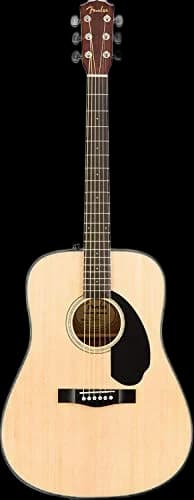
First guitar
Fender CD-60S Dreadnought Acoustic Guitar
~$230
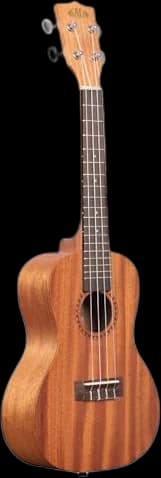
First ukulele
Kala KA-15C Satin Mahogany Concert Ukulele
~$89
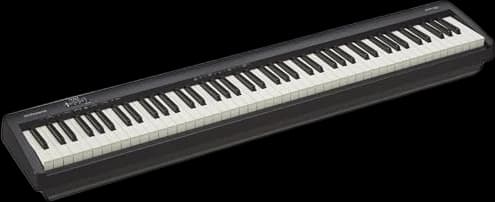
First keyboard
Roland FP-10 Digital Piano
~$500
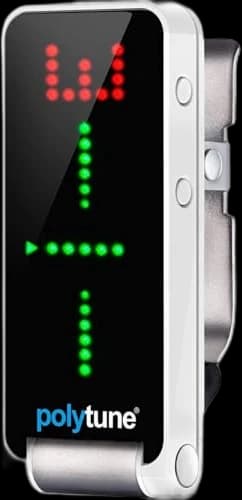
Clip-on tuner
TC Electronic PolyTune Clip Clip-On Tuner
~$38
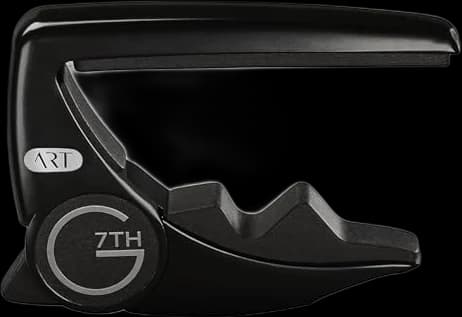
Capo
G7th Performance 3 Capo
~$70
SlowHum may earn a commission when you buy through our links. Every listing is checked live before it carries one. Affiliate disclosure
Questions people ask
What notes are in a chord?
A chord is a root plus a fixed set of intervals above it. A major chord is the root, a major third and a perfect fifth (C major is C, E, G); a minor chord lowers the third by a half step (C minor is C, E flat, G).
What are the easiest guitar chords for beginners?
The open chords C, A, G, E, D, A minor, E minor and D minor are the usual first set, because they need no barre. All eight are in the open-chord table on this page with their fret numbers.
What is the difference between a 7 chord and a maj7 chord?
Both add a seventh to a major triad. A plain 7 (dominant seventh) adds a minor seventh, so C7 is C, E, G, B flat; maj7 adds a major seventh, so Cmaj7 is C, E, G, B.
How do I play a barre chord?
Lay your index finger flat across the strings at one fret and make an open-chord shape with the other fingers above it. The E-shape puts the root on the 6th string and the A-shape on the 5th string, so one shape moved up the neck plays all twelve roots.
Are ukulele chords the same as guitar chords?
The chord names and notes are the same, but the shapes differ because a ukulele is tuned G C E A, not E A D G B E. The same finger shape on a guitar's top four strings gives a chord a fourth lower: the uke's C shape (0003) makes a G chord on guitar.
Why is a note written with two flats or two sharps?
Each chord tone keeps the letter its interval calls for. A diminished seventh above C is B double flat, not A, because a seventh above C must use the letter B; it sounds the same as A on a keyboard.
Sources
- Open Music Theory: Triads (Chelsey Hamm)Major, minor, diminished and augmented triads: the quality of the third and fifth above the root.
- Open Music Theory: Seventh Chords (Chelsey Hamm)The five seventh-chord qualities: major 7th, dominant 7th, minor 7th, half-diminished and diminished 7th.
- Open Music Theory: Chord Symbols (Megan Lavengood)Chord-symbol conventions: add9 (no 7th), the added 6th written as 6, sus4 and sus2 replacing the third, and 7sus.
Last checked: October 26, 2026.
New to an instrument? Start with the best beginner guitars, ukuleles or keyboard pianos, or browse every guide on Play.