Anatolia · Turkey
The
Ney
A reed flute that has been played in Sufi listening rooms for eight hundred years. Thirty minutes of breath, ascending.

Quick answer
The ney is an end-blown reed flute of Turkish, Persian and Arabic music, played by directing the breath across the open rim of a cut length of cane. It is difficult to sound at all, and even in expert hands it stays breathy — you hear the player’s air as clearly as the note. In Mevlevi Sufi practice the ney’s sound is understood as the reed’s lament at being cut from the reed bed, which is why the repertoire feels like longing rather than melancholy.
Listen now
01 · Origins
The flute Rumi calls out to in the first line of the Masnavi.
The ney is an end-blown reed flute used across the Persian, Turkish, and Arab classical traditions for at least 4,500 years. Its body is a single piece of hollow cane, with five or six finger holes and one thumb hole, and no fipple or whistle mouthpiece — the player blows across the open end of the reed at an angle that takes years to settle into.
Within the Sufi tradition the ney has a place no other instrument quite occupies. Rumi opens his Masnavi with the line “Listen to the reed, how it laments its separation from the reed bed” — and from that line forward the ney is the symbol, in Sufi poetry, of the human soul cut from its source and longing to return. The Mevlevi Sufi order built its sema ceremony around the ney's sound. Eight hundred years later, the instrument still carries that weight.
What it sounds like: breathy, slightly hollow, with a quality of audible air around every note. The ney does not hide that it is being played by a person breathing through a tube. That is the point.
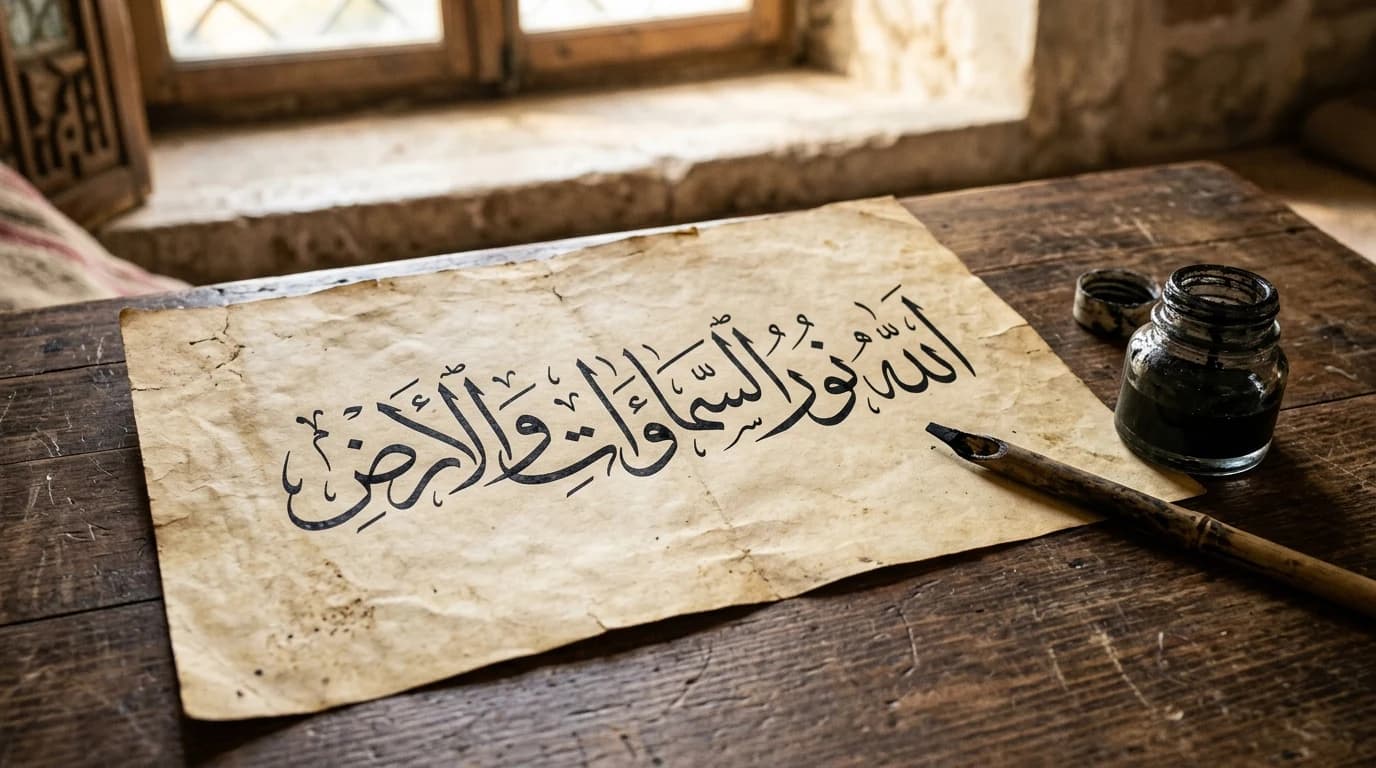
02 · The piece
Breath-paced, ascending, alone.
This piece is paced at 50 BPM. Each phrase is a single sustained note or a short ascending figure, lasting six to ten seconds, with a clear audible breath at the start of each phrase. Between phrases, three to five seconds of complete silence — letting the previous breath fully decay before the next one begins.
It is positioned for meditation. The ney's particular gift is that its tone resembles a slow human exhale; sitting with the recording for thirty minutes tends to slow the listener's own breath to match. The Sufi traditions that built their listening practice around this instrument understood that effect very precisely.
There is no percussion, no other instrument, no vocal accompaniment. The recording space is rendered as a small wood-paneled Sufi tekke at dusk — warm dry-room acoustics, short natural reverb, the suggestion of stone walls and low lantern light.

03 · The listening
Match its breath.
The ney rewards stillness. Sit. Close your eyes if that helps. Let the first three or four breaths of the piece pass without trying to do anything. By the fourth phrase your own breath will already be slowing toward the recording's pace; that is the piece working.
Use headphones if the room is noisy, or low speakers if the room is already quiet. The ney's dynamic range is narrow on purpose; volume should be set so that the silences between phrases feel as present as the notes.
If thoughts arrive during the silences, the tradition's answer is the same as the breath's answer: let them pass, and listen for the next phrase.

A listening guide
What to listen for
The breath. Audible at the start of every phrase. The ney does not edit the breath out; it foregrounds it.
The microtones. Pitches between the notes of a Western piano. They will sound slightly off-key at first. They are not.
The ascending shapes. Sufi ney phrases tend to climb, rest, and return. Listen for the small upward arcs and the longer descents.
The silences. Three to five seconds between phrases. These are the breath inhaling. They are not empty.
The narrow dynamic range. The ney never gets loud. Volume control is on you and the listening environment, not the instrument.
From the listener to the player
If the ney pulled you in
Where to begin with the reed flute of Sufi music — honestly, including how hard it is.
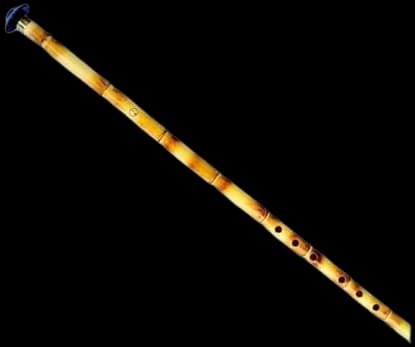
The instrument
~$50
Turkish Ney in C (Kız Ney)
An honest entry ney in the common kız (C) tuning. Fair warning: the ney is famously hard to sound at first — the breath angle takes real patience — but this is a genuine instrument to learn on, not a toy.
Buy on Amazon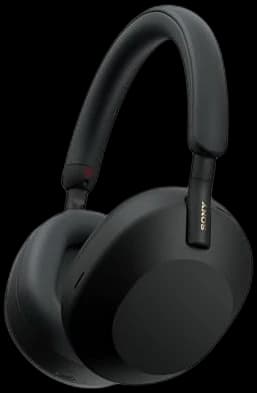
To hear it
~$298
Sony WH-1000XM5 Headphones
The ney's voice is breath made audible — the air around each note is the point. Headphones that hold that detail change the piece completely.
Buy on AmazonA professional ney
For a tuned, performance-grade ney from a specialist maker, browse Reverb.
Affiliate links
These are honest recommendations — the ones we’d point a friend toward. As an Amazon Associate, SlowHum earns from qualifying purchases; we may also earn from other links. It costs you nothing extra, and prices are approximate. Full disclosure.
Common questions
Questions people ask about the ney
Why is the ney so hard to play?
There is no mouthpiece and no fipple to split the air for you. The player forms the embouchure against the sharp rim of the tube itself, so tone, pitch and stability all depend on the lips and breath alone.
What is the ney’s role in Sufi music?
It leads the instrumental music of the Mevlevi order and opens many ceremonies. Rumi’s Masnavi begins with the reed flute’s complaint of separation, and that image is central to how the instrument is heard.
Is ney music suited to meditation?
It is one of the most direct choices for it. The phrases are built on single breaths with audible silences between them, so listening naturally slows your own breathing to something close to the player’s.
Listen to the ney.
The full 30-minute piece lives on the channel. Subscribe to catch each new tradition as it arrives.
Subscribe on YouTubeFree · No email required
Continue the atlas
Other traditions
Duduk
Armenia
Shakuhachi
Japan
Quena
Peru & Bolivia
Celtic Harp
Ireland & Scotland
Kora
Mali & Senegal
Santur
Iran
Oud
Turkey & Syria
Sitar
India
Guzheng
China
Morin Khuur
Mongolia
Kantele
Finland
Slack Key
Hawaii · soon
Mbira
Zimbabwe
Bansuri
India
Tagelharpa
Norway · soon
Begena
Ethiopia · soon
Gayageum
Korea · soon
Ngoni
Mali · soon
Guqin
China
Erhu
China
Koto
Japan
Pipa
China
Setar
Iran
Sarod
India
Sarangi
India
Xiao
China
Kaval
Bulgaria
Dizi
China
Nyckelharpa
Sweden
Hurdy-gurdy
France
Saz
Turkey