The Best Saxophones for Beginners
Alto or tenor, Yamaha or budget brand: what specialist reviewers and band directors actually recommend, and when renting from a local shop is the smarter first move.
Published September 17, 2026 · 6 min read
Quick answer
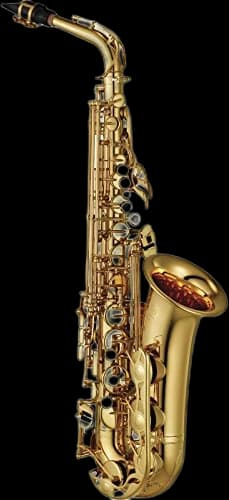
For most first-time players, the Yamaha YAS-280 alto is the safe, specialist-endorsed choice; if the budget won't stretch that far, rent locally before buying an unproven brand.
Key takeaways
- Alto is the easier, cheaper starting point for most; tenor suits older or adult players who like its sound and don't mind more air and a bigger stretch.
- Specialist reviewers and sax communities are unusually harsh on ultra-cheap Amazon horns — durability and setup, not sound, are the real risk.
- Only a few budget brands clear the bar with specialist reviewers; most cheap alternatives are better skipped in favor of renting from a local shop.
- A student horn's mouthpiece, ligature and pads matter as much as the body — factory setup quality explains a lot of the price gap.
At a glance
| Pick | Best for | Price* | |
|---|---|---|---|
| A family that wants one horn to last through high school | $1,235 | Buy on Amazon → |
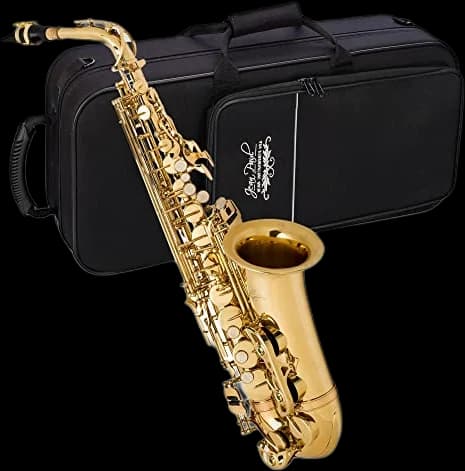 Best budget alto Jean Paul AS-400 Alto Saxophone | A budget-limited beginner not ready to commit to $1,000+ | $750 | Buy on Amazon → |
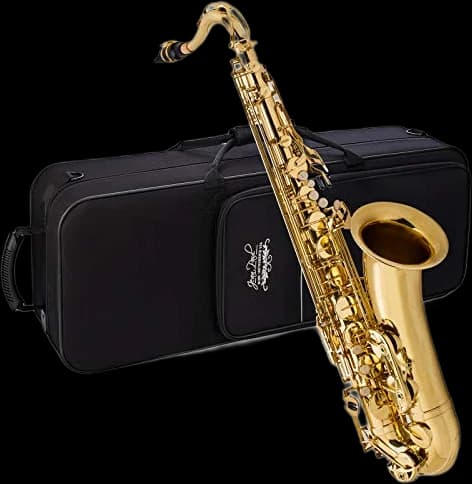 | A budget-limited beginner who specifically wants tenor | $1,000 | Buy on Amazon → |
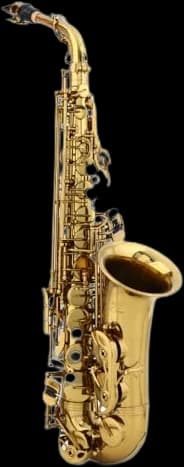 | A beginner who wants to skip a second horn purchase later | $899 | Buy on Amazon → |
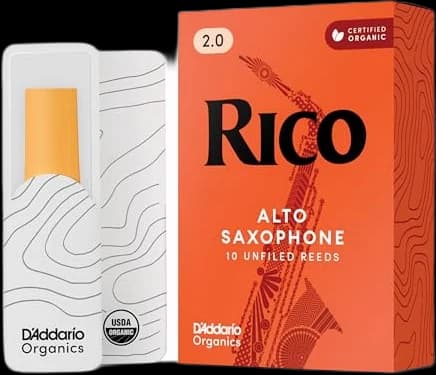 Essential accessory: reeds Rico Organic Alto Saxophone Reeds, Strength 2.0 (10-Pack) | Any new alto player, as the standard beginner reed strength | $31 | Buy on Amazon → |
* Prices are approximate and may vary. Please check the latest price on Amazon.
A saxophone is one of the few beginner instruments where the cheapest option on Amazon is a genuinely bad idea, not just a compromise. Band directors and specialist reviewers say so consistently: below a certain price, saxophones aren't a cheaper version of a good horn, they're a different, less repairable object that happens to look similar. That doesn't mean beginners need to spend Yamaha money on day one.
This guide covers the alto-versus-tenor decision, the handful of Amazon-sold horns that specialist reviewers actually vouch for, and the case for renting locally instead of buying anything at all for a first few months.
01 · Best overall alto
Yamaha YAS-280 Alto Saxophone
The specialist-endorsed standard alto, at a real cost premium over budget brands.
The YAS-280 is Yamaha's long-running student alto, and it's the reference point in nearly every specialist comparison, including BetterSax's own buyer's guide, where it scored near the top of the field it tested. Yamaha lists a brass body, white polyester key touches and a Yamaha 4C mouthpiece included as standard. Reviewers point to consistent intonation and durable keywork as the reasons band directors keep recommending it years after purchase. A few retailers have reported inconsistent stock recently, so confirm a listing is sold by an authorized dealer before buying.
Strengths
- + Consistent intonation reviewers rely on
- + Backed by Yamaha's nationwide repair network
- + Holds resale value if a student switches instruments
Trade-offs
- − Costs noticeably more than budget-brand alternatives
- − Stock has been inconsistent at some retailers
- Body
- Brass, gold lacquer
- Neck
- Yamaha-designed receiver
- Mouthpiece
- Yamaha 4C, included
- Key touches
- White polyester
- Case
- Semi-hard backpack-style case
- Manufactured
- Indonesia
4.7 out of 5 from 335 Amazon ratings
Amazon’s summary of its reviews: Customers find this alto saxophone to be an excellent intermediate horn that sounds good with a clear tone and beautiful appearance. Moreover, the instrument is suitable for both beginners and experienced players, with one customer noting it makes learning scales easier. However, the key alignment receives mixed feedback, with one customer describing it as quick and precise while another reports alignment issues.
What buyers praise
- quality — 96% positive of 71 mentions
- value for money — 87% positive of 30 mentions
- sound quality — 93% positive of 29 mentions
- appearance — 100% positive of 15 mentions
$750
Buy on Amazon02 · Best budget alto
Jean Paul AS-400 Alto Saxophone
The one sub-$800 alto specialist reviewers rate as genuinely acceptable, not just cheap.
The AS-400 is the specific budget alto BetterSax — a specialist site that plays and rates dozens of student horns — rated highest among the lower-cost field it compared, ahead of the unbranded options common on Amazon. Jean Paul lists a lacquered brass body, a high F# key, and a backpack-style case as standard, with instruments play-tested before shipping. It won't match a Yamaha's long-term durability, and general saxophone forums remain more skeptical of Jean Paul as a brand than specialist reviewers are, so a repair tech unfamiliar with the name may charge more for parts or service.
Strengths
- + A real specialist endorsement, not just marketing copy
- + Costs roughly $500 less than the Yamaha alto
- + High F# key and case included as standard
Trade-offs
- − General sax forums are more skeptical of the brand than specialist reviewers
- − A repair shop unfamiliar with Jean Paul may charge more or hesitate on parts
- Body
- Brass, lacquer finish
- Key
- Eb, with High F#
- Mouthpiece
- Standard mouthpiece included
- Ligature
- Ligature and cap included
- Case
- Semi-hard backpack-style case
- Setup
- Factory play-tested before shipping
03 · Best budget tenor
Jean Paul TS-400 Tenor Saxophone
Plays in tune out of the box, per specialist reviewers, with a mouthpiece worth upgrading later.
BetterSax's review of the TS-400 calls it well made with good in-tune playing straight out of the case, and specifically credits Jean Paul for including a genuinely decent case at this price, since cheap saxophones often skimp there. The one consistent caveat, echoed across reviews, is the stock mouthpiece: usable for a beginner, but worth budgeting to replace within the first year or two as playing improves. Jean Paul lists a lacquered brass body with a high F# key as standard, matching the alto's build approach scaled up for tenor.
Strengths
- + Specialist reviewers describe it as playing in tune out of the box
- + Case quality is unusually good for the price tier
- + Costs roughly half of the Yamaha tenor
Trade-offs
- − Included mouthpiece is a known weak point worth upgrading
- − Same brand-trust caveats as the alto AS-400
- Body
- Brass, lacquer finish
- Key
- Bb, with High F#
- Mouthpiece
- Standard mouthpiece included
- Case
- Semi-hard backpack-style case
- Setup
- Factory play-tested before shipping
4.4 out of 5 from 385 Amazon ratings
Amazon’s summary of its reviews: Customers find this tenor saxophone to be well worth its price and appreciate its rich tone, with one customer noting its fluid sound throughout all registers. The instrument plays like a professional horn and features a beautiful silver-plated appearance. While many customers report it plays well right out of the box and is in tune, there are mixed experiences with playback and intune performance. Additionally, durability receives mixed reviews, with some customers noting minor scratches while others report issues with straps tearing during normal use.
What buyers praise
- quality — 90% positive of 115 mentions
- value for money — 92% positive of 83 mentions
- sound quality — 86% positive of 77 mentions
- playability — 88% positive of 40 mentions
What buyers complain about
- playback — 38% negative of 24 mentions
- intune — 35% negative of 17 mentions
04 · Best step-up alto
BetterSax Classic Alto Saxophone
Built by saxophonists specifically to close the gap between budget and Yamaha-level horns.
BetterSax built this horn after years of reviewing other brands' student saxophones, aiming to close the gap between budget options and a Yamaha-level instrument rather than compete purely on price. It uses blue steel springs, Pisoni pads with metal resonators, and an underslung octave key design borrowed from vintage horns, details BetterSax says most sub-$1,000 saxophones skip. It's newer to the market than Yamaha or Jean Paul, so its long-term reliability track record is shorter, but it's designed and reviewed by people who play and test saxophones for a living rather than a general instrument importer.
Strengths
- + Component choices (pads, springs) above typical student-horn grade
- + Designed specifically to bridge budget and premium tiers
- + Full accessory set included: mouthpiece, ligature, neck strap, cork grease
Trade-offs
- − Shorter market track record than Yamaha or Jean Paul
- − Costs more than the Jean Paul AS-400 for a similar tier
- Springs
- Blue steel
- Pads
- Pisoni, with metal resonators
- Octave key
- Underslung design
- Finish
- Cognac-tinted lacquer, hand-engraved
- Mouthpiece
- Included mouthpiece, ligature and cap
- Case
- Backpack-style case included
4.2 out of 5 from 42 Amazon ratings
Amazon’s summary of its reviews: Customers find this alto saxophone to be a quality student instrument that plays incredibly well right out of the box, with one customer noting it plays beautifully in tune across the entire range. They appreciate its appearance, sound quality, and consider it an amazing value for money. The build quality receives mixed feedback.
What buyers praise
- quality — 86% positive of 21 mentions
05 · Essential accessory: reeds
Rico Organic Alto Saxophone Reeds, Strength 2.0 (10-Pack)
A 10-pack of the strength most method books and teachers start beginners on.
Every new saxophone, however good, needs reeds, and the ones included in the box are rarely worth keeping past the first few weeks. Strength 2.0 is the beginner-standard cut most method books and teachers recommend starting on, since it responds easily before embouchure strength builds up. Buying a 10-pack instead of single reeds is cheaper per reed and means a cracked or worn one doesn't stop a practice session. Reed strength is personal and may need adjusting after a few months of steady playing.
Strengths
- + Standard beginner strength recommended by most method books
- + 10-pack is cheaper per reed than buying singles
- + Widely stocked, easy to reorder
Trade-offs
- − Reed quality varies piece to piece within a box
- − May need to size up in strength within the first year
- Instrument
- Alto saxophone
- Strength
- 2.0
- Cut
- Rico standard filed cut
- Material
- Cane
- Pack size
- 10 reeds
Alto or tenor: which to start on
Alto is the more common starting horn, and for a practical reason: it's smaller, needs less air, and its fingerings map directly onto tenor if a player switches later. Method books, school band programs and most beginner teaching materials are written with alto as the default.
Tenor isn't harder to learn, but it does ask more of a beginner physically — more air support and a longer reach between keys — which is why it suits older teens and adults more comfortably than young kids. A player who already knows they want tenor's deeper sound, for jazz or rock, doesn't need to detour through alto first.
Why specialists warn about ultra-cheap Amazon saxophones
Search "cheap saxophone" on Amazon and dozens of unfamiliar brand names appear, often under $300. Specialist reviewers and saxophone repair communities are unusually blunt about these: pads that leak within months, keywork that binds, and cases that don't protect the horn in transit. The core problem isn't sound quality on day one — it's that these horns are often not built to be serviced when something goes wrong, so a $50 repair on a name-brand horn can mean replacing the instrument entirely.
That's why this guide only includes budget picks that a specialist review site has actually played, rated, and vouched for by name — not simply the cheapest options that show up in a search.
When renting from a local shop is the better answer
If a young player hasn't committed to saxophone yet, or the household budget doesn't comfortably stretch to any of the picks above, a rental from a local music store is often the more sensible first move. Rental horns are serviced, sized correctly, and usually swappable if a student's hands or interest change — something no online purchase offers. Many shops apply months of rental payments toward a purchase later, so renting isn't wasted money if the student sticks with it.
What's in the box, and why it matters
A saxophone's price difference isn't only about the body. The mouthpiece, ligature, pads and factory setup all affect how a horn plays out of the case. A stock mouthpiece that's slightly off can make an otherwise decent saxophone feel harder to play than it should — which is why a common upgrade path, even on a good student horn, is simply swapping the mouthpiece after the first year.
Reeds are consumable and not really a spec of the horn at all; every new player needs a supply of their own regardless of which saxophone they buy.
How these picks differ
The Yamaha models are the safe, well-supported choice for a family planning to stick with saxophone for years — the price buys a nationwide repair network and resale value. The Jean Paul models cost hundreds less and are the specific budget horns specialist reviewers are willing to recommend by name, with the tradeoff being a thinner service network and, for the tenor, a mouthpiece most players upgrade early. The BetterSax alto sits between the two: built specifically to close that gap, with component choices above typical student-horn grade, but without Yamaha's decades of track record.
Basic care that keeps any of these horns playing well
Swab the inside of the body and neck after every session to keep pads dry, since moisture is what causes leaks over time. Rotate two or three reeds instead of playing one until it wears out — reeds actually last longer with a day of rest between uses. Loosen the neck strap and store the horn in its case rather than leaving it assembled between practice sessions, and get pads checked by a tech at least once a year regardless of which saxophone was purchased.
Questions people ask
Should I buy or rent a first saxophone?
If it's unclear whether the player will stick with it, renting from a local music shop is usually smarter than buying, even a budget model. Rental horns are pre-serviced, correctly sized, and many shops credit rental payments toward a later purchase. Buying makes more sense once someone has already played for a few months in school or lessons and knows they want to continue.
Is a $250 saxophone from Amazon really that bad?
Specialist reviewers and repair communities consistently say the risk isn't the sound on day one, it's durability and repairability. Pads and keywork on ultra-cheap horns tend to fail within months, and some techs won't service unfamiliar off-brand horns at all, meaning a small problem can mean replacing the whole instrument.
Alto or tenor for a young beginner?
Alto, in most cases. It's smaller, needs less air, and is what most school band programs and beginner method books are built around. Tenor suits older teens and adults more comfortably, or anyone who already knows they want its deeper sound.
What reed strength should a beginner start on?
Strength 2.0 is the standard beginner cut most method books and teachers recommend, since it responds easily before embouchure strength develops. Many players move up in strength gradually over their first year or two as their playing improves.
How much should a first saxophone actually cost?
A specialist-endorsed budget alto runs roughly $700 to $800, a Yamaha student alto around $1,200, and tenor versions of both cost more. Renting locally for a monthly fee is a lower-commitment alternative to any of those numbers.
Do all beginner saxophones come with a mouthpiece and case?
Yes, every pick here includes a mouthpiece, ligature and a case as standard. What varies is quality: reviewers note that the mouthpiece included with budget tenor saxophones in particular is often worth upgrading within the first year or two of playing.
Sources
- Student Alto Saxophones - Buyer's Guide
- Is the Yamaha YAS-280 Still the Top Student Saxophone?
- Jean Paul AS-400 Unbox, Play-Test and Review
- Jean Paul TS-400 Tenor Unbox and Review
- The BetterSax Alto Saxophone (product page)
- Yamaha YAS-280 Alto Saxophone (dealer spec page)
- Jean Paul AS-400 and TS-400 product pages (manufacturer)
Listen first
As an Amazon Associate, SlowHum earns from qualifying purchases, at no extra cost to you. Full disclosure.