The Best Trumpets for Beginners
A first trumpet is one of the clearest cases where community consensus and specialist advice line up: buy a name brand, or rent, and be careful with anything else.
Published September 17, 2026 · 6 min read
Quick answer
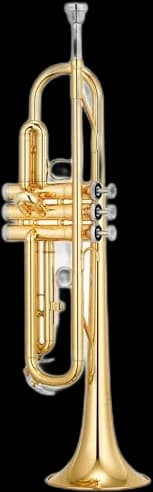
The Yamaha YTR-2330 is the standard, trusted beginner trumpet; if the budget can't stretch that far, a used name-brand horn or a local rental beats most new budget alternatives.
Key takeaways
- Trumpet players are unusually consistent online: Yamaha, Bach and a handful of other name brands are trusted, and most new budget Amazon trumpets are not.
- A used student Yamaha, checked over by a repair tech, is frequently recommended above buying new at a similar price.
- The stock 7C mouthpiece is the beginner standard; the number and letter describe cup size and rim, not quality on their own.
- Valve oil is not optional maintenance — new valves need daily oiling for the first month to seat and stay responsive.
At a glance
| Pick | Best for | Price* | |
|---|---|---|---|
| A family that wants the safe, widely-serviceable choice | $1,400 | Buy on Amazon → |
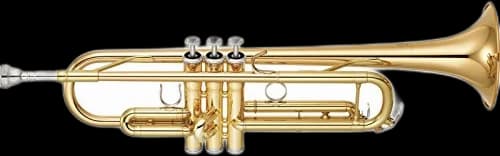 Best step-up for a committed player Yamaha YTR-4335GII Intermediate Bb Trumpet★ 4.4 (3 Amazon ratings) | A returning player, or a beginner already committed | $2,200 | Buy on Amazon → |
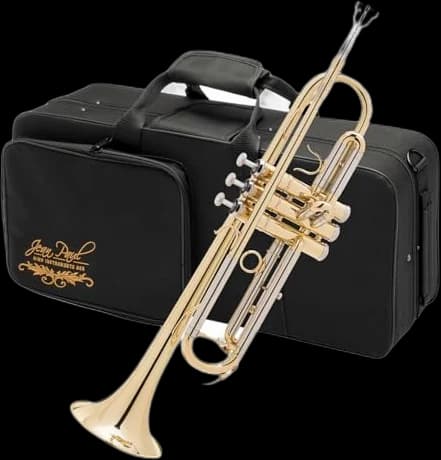 | A budget buyer who has ruled out renting or buying used | $300 | Buy on Amazon → |
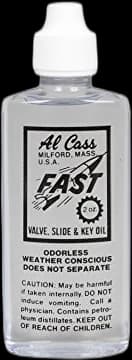 Essential accessory: valve oil Al Cass Fast Valve Oil, 2 fl. oz. | Every new trumpet player, regardless of which horn they buy | $6 | Buy on Amazon → |
* Prices are approximate and may vary. Please check the latest price on Amazon.
Trumpet is a brass instrument where the online community is unusually blunt about what to buy: a short list of name brands, and skepticism toward almost everything else sold new and cheap. That consensus is worth taking seriously before spending anything.
This guide covers the trumpet that specialists and band directors trust without reservation, an intermediate step-up worth knowing about but not rushing into, one budget option that at least has real usage reports behind it, and the one accessory every new trumpet actually needs on day one.
01 · Best overall
Yamaha YTR-2330 Student Bb Trumpet
The name that comes up first, and most consistently, whenever trumpet players discuss beginner horns.
Ask trumpet players online what to buy new, and Yamaha comes up more often than any other brand by a wide margin — usually alongside Bach as the two names considered genuinely safe. Yamaha specs the YTR-2330 with a .459-inch bore, a two-piece 4-7/8 inch bell in yellow brass with a gold brass leadpipe, and monel alloy pistons, with a mouthpiece and case included. Monel is prized for smoother, more durable valve action than the stainless steel used in cheaper horns. It costs more than a budget alternative, but it's also the horn a school repair tech will recognize and stock parts for.
Strengths
- + The consensus safe choice among trumpet players and band directors
- + Monel valves are smoother and more durable than stainless steel
- + Wide network of techs who know the horn and stock parts
Trade-offs
- − Costs several times more than a budget Amazon trumpet
- − No real cost advantage over a well-checked used Yamaha at a similar price
- Bore
- .459 inch
- Bell
- 4-7/8 inch, two-piece, yellow brass
- Leadpipe
- Gold brass
- Valves
- Monel alloy pistons
- Finish
- Gold lacquer or silver-plate
- Mouthpiece
- Included
4.7 out of 5 from 168 Amazon ratings
Amazon’s summary of its reviews: Customers find this trumpet to be of good quality, with one noting it should last through an intermediate's learning stage. The instrument receives positive feedback for its sound, appearance, and value for money.
What buyers praise
- quality — 95% positive of 37 mentions
$2,200
Buy on Amazon02 · Best step-up for a committed player
Yamaha YTR-4335GII Intermediate Bb Trumpet
An intermediate horn, not a first-timer's purchase — worth knowing about, not worth buying on day one.
This is Yamaha's step between the student YTR-2330 and a professional horn, and it's included here mainly so a genuinely undecided beginner doesn't overspend on it by mistake. Yamaha specs a gold-brass, hand-hammered bell for a richer tone, hand-lapped monel pistons, and an 11B4 mouthpiece included, aimed at players making the jump from student-level playing. For an actual first trumpet, this is more horn and more money than needed; it belongs on a wish list for after a year or two of steady lessons, not a first purchase.
Strengths
- + Richer tone from the gold-brass, hand-hammered bell
- + Built for players advancing past student-level horns
- + Same Yamaha reliability and service network as the YTR-2330
Trade-offs
- − About 60% more than the student model
- − Overkill for a genuine first-time beginner
- Bore
- .459 inch (ML)
- Bell
- 4-7/8 inch, gold brass, Pluzuma-welded
- Leadpipe
- Gold brass
- Valves
- Hand-lapped monel pistons
- Mouthpiece
- 11B4, included
- Finish
- Gold lacquer or silver-plate
03 · Budget pick (with real caveats)
Jean Paul TR-330 Student Bb Trumpet
Cheap and usable for some buyers; trumpet communities are split, with plenty of reports of stuck valves and short lacquer life.
Jean Paul lists a .465-inch bore, a two-piece yellow brass bell, stainless steel valves and a 7C mouthpiece included on the TR-330. Reports from trumpet players are genuinely mixed: some describe it as a reliable, smooth-valved horn worth the price; others report valves sticking within months and lacquer wearing through quickly at contact points. Unlike the saxophone budget picks in this series, no specialist review site has stepped in to vouch for this specific model the way BetterSax vouches for certain budget saxophones — so treat it as a real gamble rather than a settled recommendation, and consider a used Yamaha or Bach at a similar price first.
Strengths
- + Lowest upfront cost of any new option here
- + Includes mouthpiece, case and valve oil to get started immediately
- + Some players report smooth, reliable valve action
Trade-offs
- − Other players report stuck valves and fast-wearing lacquer
- − No specialist review site vouches for this model the way one does for comparable budget saxophones
- Bore
- .465 inch
- Bell
- Two-piece, yellow brass
- Valves
- Stainless steel
- Mouthpiece
- 7C, included
- Case
- Semi-hard case included
- Finish
- Gold lacquer or nickel-plated
4.4 out of 5 from 1,019 Amazon ratings
Amazon’s summary of its reviews: Customers find the trumpet excellent value for money, with terrific sound quality and easy playability. Moreover, the instrument is well-suited for beginners, with one customer noting it's perfect for a 9-year-old starting player. However, durability receives mixed feedback - while some say it will last through high school, others report valves starting to stick.
What buyers praise
- value for money — 93% positive of 112 mentions
- sound quality — 90% positive of 78 mentions
- suitability for beginners — 96% positive of 77 mentions
- functionality — 80% positive of 61 mentions
What buyers complain about
- durability — 67% negative of 43 mentions
04 · Essential accessory: valve oil
Al Cass Fast Valve Oil, 2 fl. oz.
New valves need daily oil for the first month; this is the bottle most band directors already have on hand.
A trumpet's valves need to be oiled from the first day, and new pistons in particular need it daily for roughly the first month while they seat. Al Cass Fast is a long-standing standard among band directors and repair techs because it's a combination valve, slide and key lubricant that resists gumming and stays effective across weather conditions, meaning a horn stays well-oiled for several days between applications once past the break-in period. It's a small, inexpensive detail, but a dry or sticking valve is one of the most common reasons a beginner's trumpet feels harder to play than it should.
Strengths
- + Standard recommendation among band directors and repair techs
- + Resists gumming across temperature and weather changes
- + Cheap and lasts a long time per bottle
Trade-offs
- − Needs daily reapplication during a new horn's first month
- − Not a substitute for a proper cleaning and service schedule
- Type
- Valve, slide and key lubricant
- Volume
- 2 fl. oz.
- Use
- 2 drops per valve, daily for first month
- Application
- Piston valve brass instruments
What band directors and trumpet communities actually recommend
Ask for a beginner trumpet recommendation in a trumpet-focused community and the same short list comes back again and again: Yamaha, Bach, Getzen, sometimes Jupiter. A used student horn from one of those brands, checked over by a repair tech, is recommended more often than a new budget horn at the same price. That advice is less about snobbery and more about reliability of valves and pitch — the things that make early practice frustrating or not.
Unfamiliar Amazon-only brands come up too, almost always as something to avoid rather than consider, with stuck valves and short-lived lacquer as the recurring complaints. That's a notably stronger and more consistent warning than beginner saxophone communities give some of their own budget brands, which is part of why this guide leans harder on Yamaha and treats its one budget pick with more caution.
Bore size and bell material, briefly
A student trumpet's bore — the internal diameter of the tubing — is almost always a medium-large (ML) .459 inch on beginner horns, a size chosen to be forgiving of inconsistent air support while a player is still building embouchure strength. Bell material and plating (yellow brass, gold brass, silver-plate, lacquer) mostly affect tone color at the margins rather than how easy a horn is to play, so a beginner shouldn't weigh these heavily against reliability and service support when choosing between otherwise similar horns.
Mouthpiece sizes, in plain terms
Trumpet mouthpieces are labeled with a number and a letter, like 7C. The number relates to cup width — a smaller number means a bigger cup — and the letter relates to cup depth and shape. 7C is the standard beginner mouthpiece included with nearly every student trumpet, chosen because it balances ease of playing with room to develop tone.
Most beginners don't need to think about mouthpieces at all in year one. It becomes relevant later, when a player might move to a slightly smaller cup for endurance in high register playing, usually on a teacher's advice rather than a guess.
Valve oil and other daily care
New valves need oil daily for roughly the first month, tapering to a few times a week once they've seated. A dry valve doesn't just feel sluggish, it can stick, which is one of the most common reasons a cheap trumpet gets blamed for problems that are really just maintenance. Wipe the mouthpiece and swab the lead pipe periodically, and empty water keys after playing.
When renting or buying used beats a new budget horn
If the goal is simply the lowest-risk way to find out whether a student will stick with trumpet, renting from a local music shop or buying a used name-brand horn checked by a tech is what trumpet communities recommend most consistently — more often than any new horn under roughly $500. A rental is serviced and swappable; a used Yamaha or Bach in working order tends to hold its value better than a new budget horn does.
How these picks differ
The Yamaha YTR-2330 is the trusted default for an actual first trumpet: proven, widely serviced, and priced accordingly. The YTR-4335GII is a different category entirely — an intermediate horn worth knowing about for later, not a first purchase. The Jean Paul TR-330 is genuinely cheaper, and some players report it holding up fine, but it doesn't carry the kind of specialist endorsement this series found for comparable budget saxophones, so it's included with real reservations rather than a confident recommendation.
Questions people ask
Is Yamaha really the safest beginner trumpet brand?
Among trumpet communities and band directors, yes — it's the name that comes up most consistently alongside Bach, both for reliability of valves and pitch and for how easy the horn is to get serviced. That consensus is unusually strong compared to some other beginner instruments.
Should I rent or buy a first trumpet?
If it's unclear whether a student will stick with trumpet, renting from a local shop or buying a used name-brand horn checked by a repair tech is what trumpet communities recommend most often, ahead of buying new at a similar price.
Is the Jean Paul TR-330 actually any good?
Reports are mixed. Some players describe it as a reliable, smooth-valved horn worth the price; others report stuck valves and lacquer wearing through quickly. Unlike some budget saxophones in this series, no specialist review site has stepped in to vouch for this specific model, so it's a genuine gamble rather than a settled pick.
How often do I need to oil trumpet valves?
Daily for roughly the first month on a new or new-to-you horn, tapering to a few times a week once the valves have seated. A dry valve can stick, which is a common reason a trumpet feels harder to play than it should.
What mouthpiece should a beginner use?
The 7C included with most student trumpets is the standard beginner choice, balancing ease of play with room to develop tone. Most players don't need to think about switching until well past their first year, usually on a teacher's recommendation.
Is an intermediate trumpet like the YTR-4335GII worth buying as a first horn?
Generally no. It costs several hundred dollars more than a student model and is built for players advancing past beginner level. It's worth knowing about for later, but a genuine first-time buyer is better served by a student horn or a rental.
Sources
As an Amazon Associate, SlowHum earns from qualifying purchases, at no extra cost to you. Full disclosure.