The Best Vinyl Record Cleaners
Different record-cleaning tools solve different problems - a brush that lifts dust won't touch ground-in grime, and a deep wet clean is overkill for a record you just unwrapped.
Published September 17, 2026 · 7 min read
Quick answer
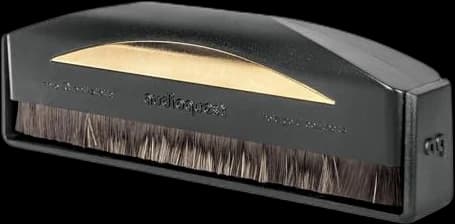
For everyday use, a carbon fiber anti-static brush like the AudioQuest Anti-Static Record Brush ($35) before every play handles surface dust; for a used-record collection, the Spin-Clean Record Washer MKII ($80) does a genuinely deeper wet clean.
Key takeaways
- A dry carbon fiber brush removes surface dust and static before every play - it does not deep-clean ground-in grime.
- Wet cleaning (spray kits, spin-cleaners, or vacuum machines) is for occasional deeper cleaning, especially on used records, not every-play use.
- Never use plain tap water on a record - mineral deposits in tap water can settle into the grooves; use distilled water or a purpose-made fluid.
- A dirty stylus causes some of the same noise as a dirty record - clean the needle regularly too, not just the vinyl.
At a glance
| Pick | Best for | Price* | |
|---|---|---|---|
Best everyday dry brush AudioQuest Anti-Static Record Brush | A quick pass before every single play | $35 | Buy on Amazon → |
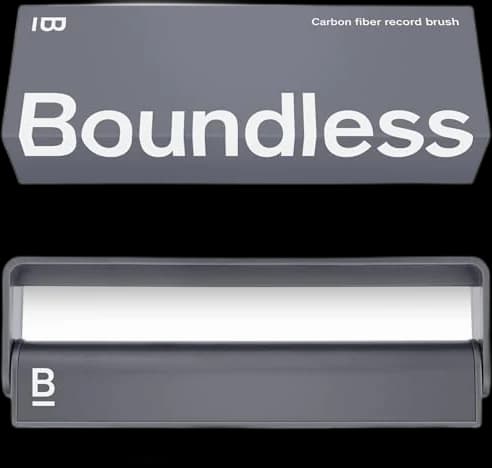 Best budget dry brush Boundless Audio Carbon Fiber Record Cleaner Brush | The same before-every-play routine at a lower price | $15 | Buy on Amazon → |
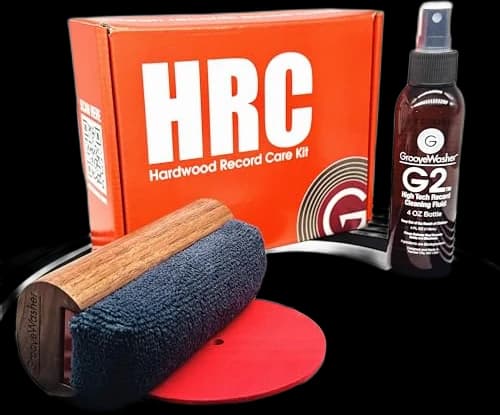 Best no-rinse wet cleaning kit GrooveWasher Vinyl Record Cleaning Kit with Hardwood Handle | A step up from a dry brush without a full washing system | $48 | Buy on Amazon → |
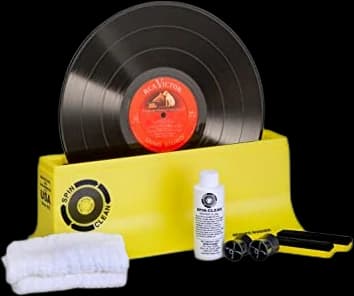 Best manual deep-clean for a used collection Spin-Clean Record Washer System MKII | Cleaning a stack of used or dusty records without a turntable or electricity | $80 | Buy on Amazon → |
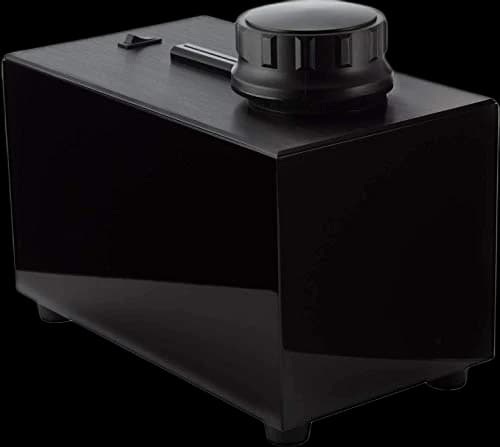 Best for the deepest clean, at a real cost Record Doctor VI Vacuum Record Cleaning Machine | A large or heavily used collection where the fastest, most thorough clean matters | $350 | Buy on Amazon → |
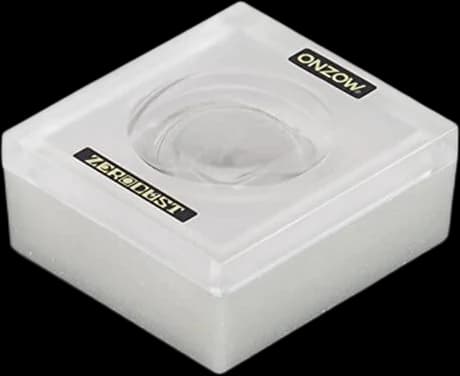 Best stylus cleaner Onzow Zerodust Stylus Cleaner | Cleaning the needle, not the record | $47 | Buy on Amazon → |
* Prices are approximate and may vary. Please check the latest price on Amazon.
Not every record-cleaning product does the same job. A dry brush moves surface dust; it doesn't touch oils or ground-in grime. A wet clean lifts more, but takes longer and needs somewhere to dry. The right pick depends less on budget and more on what you're actually cleaning - a new record just out of the sleeve, or a stack of used vinyl from a thrift store.
One rule applies across all of them: never clean a record with plain tap water. Minerals in tap water can settle into the grooves and add noise rather than remove it - use distilled water or a purpose-made fluid instead.
01 · Best everyday dry brush
AudioQuest Anti-Static Record Brush
A carbon fiber brush built to lift surface dust and discharge static in one motion before the needle drops.
AudioQuest builds this brush with two rows of conductive carbon fibers - over a million of them, per the company's own spec sheet - that reach into the groove to lift dust while an uncoated metal grip completes an electrical path that discharges static as you hold it. It doesn't use any liquid, so it's meant for a quick pre-play pass, not deep cleaning; a discreet lip on the underside of the handle wipes accumulated dust off the fibers between uses. On vinyl forums, a carbon fiber brush like this is often described as close to a non-negotiable basic, priced at about what a single new record costs. Skip it if your records already have visible grime or residue - a brush alone won't remove that, only wet cleaning will.
Strengths
- + Fast pre-play routine, no liquids or drying time
- + Removes static as well as dust
- + Inexpensive and long-lasting
Trade-offs
- − Doesn't remove ground-in grime or residue
- − Needs periodic wiping to keep fibers clean
- Type
- Dry carbon fiber anti-static brush
- Fiber count
- Over 1,000,000 conductive carbon fibers (two rows)
- Function
- Lifts surface dust, discharges static via metal grip
- Use case
- Before every play, not deep cleaning
- Maintenance
- Self-cleaning lip on handle underside
02 · Best budget dry brush
Boundless Audio Carbon Fiber Record Cleaner Brush
A two-row carbon fiber brush that does the same basic job as pricier brushes for less.
Boundless Audio's brush uses the same core idea as more expensive carbon fiber brushes: two rows of soft, conductive bristles that lift dust from the grooves without any liquid, with static passing from the fibers through an aluminum shell into your hand. Per the company's own product listing, the brush has rounded corners specifically to avoid accidentally scuffing a record's edge during use, and a self-cleaning handle design to keep the bristles clear of buildup. It's a straightforward, no-frills tool rather than a showpiece - functionally similar to pricier brushes, without extra material or branding cost. Skip it if you want a heavier, more premium-feeling handle; that's a cosmetic difference, not a cleaning one.
Strengths
- + Same basic function as pricier carbon fiber brushes
- + Rounded corners reduce risk of scuffing
- + Very inexpensive
Trade-offs
- − Doesn't deep-clean grime any more than other dry brushes
- − Feels less substantial than metal-bodied brushes
- Type
- Dry carbon fiber anti-static brush
- Rows
- Two rows of carbon fiber bristles
- Design
- Rounded corners, self-cleaning handle
- Weight
- 0.09 lb
- Use case
- Before every play, not deep cleaning
03 · Best no-rinse wet cleaning kit
GrooveWasher Vinyl Record Cleaning Kit with Hardwood Handle
A spray-and-wipe kit that handles fingerprints and light grime in under a minute, with no rinsing step.
GrooveWasher's kit pairs a fine-mist spray bottle of its G2 fluid with a microfiber pad on a hardwood handle. Per the company's own description of how the system works, the fluid's surfactants dissolve fingerprint oils and its emulsifiers hold dirt and dust in suspension until the microfiber pad lifts it away; the fluid then evaporates in 30-60 seconds with no rinsing needed, and is anti-static on contact. It's a meaningfully deeper clean than a dry brush for oils and light grime, but it's not a substitute for a full wet wash on genuinely dirty used records - GrooveWasher itself sells a separate deeper-cleaning fluid line (G3) with a rinse step for that job. Skip it if you're buying a stack of used records with visible grime; start with the spin-cleaner or vacuum machine picks instead.
Strengths
- + Deeper clean than a dry brush for oils and light grime
- + No rinsing step, fast dry time
- + Pad is washable and replaceable
Trade-offs
- − Not built for heavily soiled used records
- − Requires buying replacement fluid over time
- Type
- Spray fluid + microfiber pad, no-rinse
- Fluid
- G2 anti-static, no-rinse formula
- Handle
- Hardwood, waterproof
- Pad
- Washable/replaceable microfiber
- Dry time
- 30-60 seconds, air dry
04 · Best manual deep-clean for a used collection
Spin-Clean Record Washer System MKII
A manual, no-power wash system that cleans both sides of a record at once and is a recurring recommendation for real collections.
The Spin-Clean is a basin-and-roller system: a record sits on rollers, gets rotated by hand through cleaning fluid, and brushes on both sides work through the grooves as it turns - no electricity, no turntable involved. Per the manufacturer, the current MKII revision uses a more rigid UV-resistant basin, redesigned rollers, and an updated fluid formula free of alkalines, soap, or phosphates. It comes up unprompted across vinyl forums as a go-to for anyone building a collection from used or thrifted records, generally described as a real, noticeable improvement over a brush alone rather than just moving dust around. Skip it if you only buy new, factory-sealed records and don't own anything visibly dirty - a dry brush is enough for that.
Strengths
- + Genuinely deep-cleans both sides at once
- + No electricity or turntable required
- + Long track record and widely recommended for used records
Trade-offs
- − Manual process takes longer than a spray-and-wipe brush
- − Needs counter space and a drying rack for the wet records
- Type
- Manual roller-and-basin wet washer
- Power
- None required
- Compatible sizes
- 33, 45, and 78 RPM records
- Included
- Basin, rollers, brushes, cleaning fluid, drying cloths
- Fluid
- Alkaline/soap/phosphate-free, biodegradable
$350
Buy on Amazon05 · Best for the deepest clean, at a real cost
Record Doctor VI Vacuum Record Cleaning Machine
A vacuum-based cleaning machine that physically sucks fluid and loosened dirt off the record rather than wiping it around.
Where a brush or spray kit moves dirt off the surface by hand, the Record Doctor VI applies cleaning fluid, then vacuums it - along with the dirt and grime it lifted - off the vinyl through a felt-lined suction tube, rather than leaving it to evaporate or air-dry. It's the current generation in the Record Doctor line, described by the manufacturer as the first major update to the original Record Doctor V in a decade, with a stain-resistant aluminum top plate and quieter operation. This is a genuine step up in what actually gets removed versus what a brush or spray just relocates, but it's also a real investment and a machine that takes counter space and makes noise (around 95dB near the unit, per the manufacturer). Skip it unless you have a sizable collection of used or vintage records that justifies the cost - for a small, mostly-new collection, the Spin-Clean or GrooveWasher does enough.
Strengths
- + Vacuums away fluid and dirt instead of just wiping it around
- + Current-generation model with quieter operation than earlier versions
- + Handles a large collection efficiently once set up
Trade-offs
- − Expensive relative to every other pick here
- − Loud, and needs dedicated counter space
- Type
- Vacuum record cleaning machine
- Motor
- High-performance vacuum motor
- Top plate
- Anodized aluminum, fluid-resistant
- Noise level
- ~95dB near the unit
- Included
- Applicator brush, record turner, cleaning fluid
06 · Best stylus cleaner
Onzow Zerodust Stylus Cleaner
A dust-free way to clean stylus buildup that every pick above leaves untouched.
None of the record-side cleaners above do anything for a dirty stylus, and a clogged needle causes some of the same symptoms as a dirty record - added noise, dulled detail. The Zerodust is a small tray holding a soft, gel-like polymer; lowering the stylus onto it and lifting it back up pulls accumulated dust off the tip with no brushing motion and no fluid, which avoids pushing a stylus sideways the way a brush can. The element is rinseable with warm water once it's visibly dirty, so one unit lasts a long time. It's a small, easy-to-forget accessory, but it directly addresses something a record brush or wet cleaner never touches. Skip it only if your turntable's cartridge is genuinely disposable and cheap enough that periodic full replacement is your maintenance plan instead.
Strengths
- + Cleans the stylus without brushing motion or fluid
- + Reusable indefinitely with occasional rinsing
- + Includes a magnifier to inspect the stylus tip
Trade-offs
- − Does nothing for the record itself - it's stylus-only
- − Small item that's easy to misplace
- Type
- Stylus (needle) cleaner, no brush or fluid
- Cleaning element
- Soft gel-like polymer
- Method
- Lower stylus onto element, lift
- Maintenance
- Rinseable with warm water
- Extras
- Built-in magnifying lid for inspecting the stylus
What actually cleans vs. what just moves dust around
A carbon fiber brush is genuinely effective at one job: lifting loose surface dust and static before a needle drops into the groove. It is not a deep-cleaning tool - it has no fluid and nothing to dissolve oils, fingerprints, or old grime, so running a dry brush over a genuinely dirty record mostly redistributes what's on the surface rather than removing it.
Wet cleaning - a spray-and-wipe kit, a manual spin-washer, or a vacuum machine - is what actually dissolves and removes oils and embedded dirt. The tradeoff is time: wet cleaning needs a drying step (or, with a vacuum machine, active suction) before a record is safe to play again.
Everyday use: the dry brush
A quick pass with a carbon fiber anti-static brush before every play is the routine most vinyl communities treat as close to essential, and a good one runs about $15 to $35. It removes the loose dust that causes surface noise and pops, and the conductive fibers discharge static that would otherwise attract more dust right back onto the record after cleaning.
Occasional deeper cleaning: wet kits and spin-washers
For fingerprints, light grime, or a record that's been sitting in a used bin, a spray-and-wipe kit like GrooveWasher's is a fast middle step - a fine mist of cleaning fluid and a microfiber pad, done in under a minute with no rinsing. For a genuinely used or dusty collection, a manual system like the Spin-Clean goes further: the record sits in an actual fluid bath and gets scrubbed on both sides via rollers and brushes, which reaches more than a spray-and-wipe pass.
The deepest clean: vacuum machines
A vacuum record-cleaning machine, like the Record Doctor VI, applies fluid and then physically vacuums it - along with the dirt it lifted - off the record surface through a suction tube, rather than relying on a cloth or air-drying. It's the most thorough option here and the most expensive by a wide margin; it makes sense for a large or heavily used collection, not for cleaning a handful of new releases.
Don't forget the stylus
A record can be perfectly clean and still sound noisy if the stylus itself has accumulated dust or residue. A stylus cleaner like the Onzow Zerodust addresses this separately from anything above - none of the record-cleaning tools in this guide touch the needle. Clean the stylus periodically, gently, and in the direction the manufacturer specifies to avoid bending the cantilever.
Questions people ask
Can I just use tap water and a cloth to clean records?
It's better than nothing for visible grime, but it isn't recommended. Tap water carries dissolved minerals that can deposit into the grooves as the water dries, which can add surface noise over time. Use distilled water or a cleaning fluid formulated for vinyl instead.
How often should I clean my records?
A dry carbon fiber brush before every play is standard practice in most vinyl communities. A deeper wet clean - spray kit, spin-washer, or vacuum machine - is typically occasional: when a record is new-to-you (especially used or thrifted), or when a record sounds noisier than its condition should suggest.
Do I need a wet cleaning kit if I only buy new, sealed records?
Not urgently. New records mostly need dust and static management, which a carbon fiber brush handles. Wet cleaning becomes more valuable once you buy used records, inherit a collection, or notice a new record has mold-release residue or visible marks from handling at the pressing plant.
Will cleaning a record actually make it sound better?
Removing dust, oils, and embedded grime reduces the surface noise those contaminants cause - pops, clicks, and added hiss that aren't part of the recording. Cleaning can't fix actual groove damage from wear or scratches; it addresses contamination sitting on and in the groove, not physical damage to it.
Is a spin-cleaner (like Spin-Clean) better than a vacuum machine?
They solve overlapping but different problems. A manual spin-cleaner is less expensive and requires no power, but takes more time and effort per record. A vacuum machine costs significantly more but actively removes fluid and loosened dirt rather than relying on air-drying, which matters more for a large or particularly dirty collection.
Sources
- AudioQuest Silver Anti-Static Record Brush - product page
- Boundless Audio Carbon Fiber Record Cleaning Brush - product page
- GrooveWasher - How the G2 cleaning system works
- Spin-Clean - official site and Record Washer MKII details
- Record Doctor - official site, Record Doctor VI
- Onzow Zerodust - official product site
- r/vinyl - "Best record cleaning devices and methods" (community consensus)
As an Amazon Associate, SlowHum earns from qualifying purchases, at no extra cost to you. Full disclosure.