Lyre harp · 5 min read
How to Start the Lyre Harp
If the kora pulled you in, a small lyre harp is the most approachable way to begin with plucked strings, resonance, and slow pattern-making.
A real West African kora is a serious hand-made instrument, and it deserves that seriousness. For most beginners, the gentler doorway is a small lyre harp: fewer strings, lower cost, easier tuning, and enough resonance to teach the body what plucked-string music feels like under the fingers.
01
What you are actually buying
A beginner lyre harp is not a kora. It will not teach Mande repertoire, jali technique, or the two-hand thumb-and-finger architecture of the 21-string instrument. What it can teach beautifully is tone, pattern, decay, and touch.
That matters because the first lesson in this family of sounds is not speed. It is learning how long a plucked note lives after your finger leaves the string.
02
The useful first size
Start with a 16-string lyre. Ten-string models are charming but run out of notes quickly; 21-string models can be fine, but they add tuning work before your ear has settled. Sixteen strings gives enough range for simple melodies, drones, and repeating patterns without turning day one into maintenance.
03
Your first week
Do not begin with songs. Tune the instrument, pluck one string, and listen until the note disappears. Then play a three-note pattern slowly enough that each note overlaps the last. If the kora drew you in because it felt like water, this is the exercise that explains why: notes are not isolated events; they are a surface.
After a few days, add one low string as a drone and let the higher strings move above it. That simple habit will teach more than a fast arrangement.
04
When to look for a real kora
If the lyre harp sticks and you find yourself wanting the true two-rank architecture, then start researching koras from specialist makers. Expect a larger budget, more tuning responsibility, and a learning path that deserves a teacher or a serious online course. The lyre is the doorway. The kora is the house.
At a glance
| Pick | Best for | Price | |
|---|---|---|---|
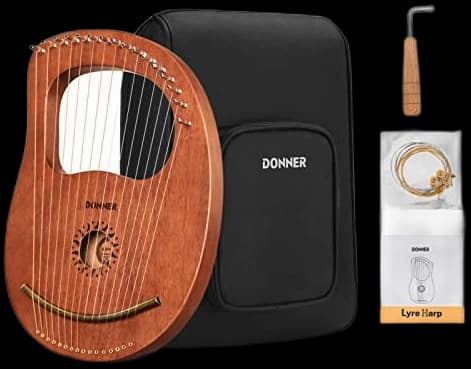 Donner 16-String Lyre Harp· our pick | The instrument | $76 | Buy → |
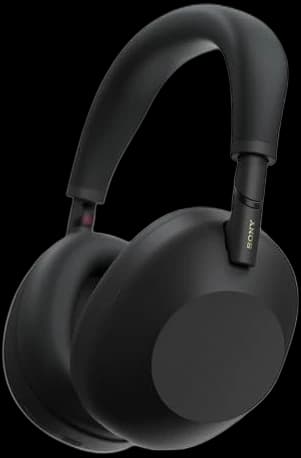 Sony WH-1000XM6 Headphones | To listen | $458 | Buy → |
Amazon prices are from our last check and change often — the listing has today's.
From the listener to the player
What we'd actually buy
The shortlist — what we'd actually reach for, and why each earns its place.
The instrument
$76
Donner 16-String Lyre Harp
The practical first step: enough strings to make real patterns, simple enough to keep tuned, and much less intimidating than a full kora.
Buy on AmazonTo listen
$458
Sony WH-1000XM6 Headphones
For hearing the kora before you buy anything larger: the ringing overtones and bridge buzz are the whole lesson.
Buy on AmazonCheerock L-shape lyre tuning wrench (4mm)
Most lyres include one, but a spare saves the instrument from becoming unplayable the first time the little wrench disappears.
A real West African kora
When you are ready for the true instrument, shop hand-made koras and specialist sellers rather than generic decorative imports.
Affiliate links
These are honest recommendations — the ones we’d point a friend toward. As an Amazon Associate, SlowHum earns from qualifying purchases; we may also earn from other links. It costs you nothing extra. Amazon prices are from our last check and change often. Full disclosure.
Listen first
The kora — Mali & Senegal
Hear the tradition this instrument comes from →
Listen while you learn.
New traditions arrive on the SlowHum channel regularly. Subscribe to keep the well full while you practice.
Subscribe on YouTubeFree · No email required